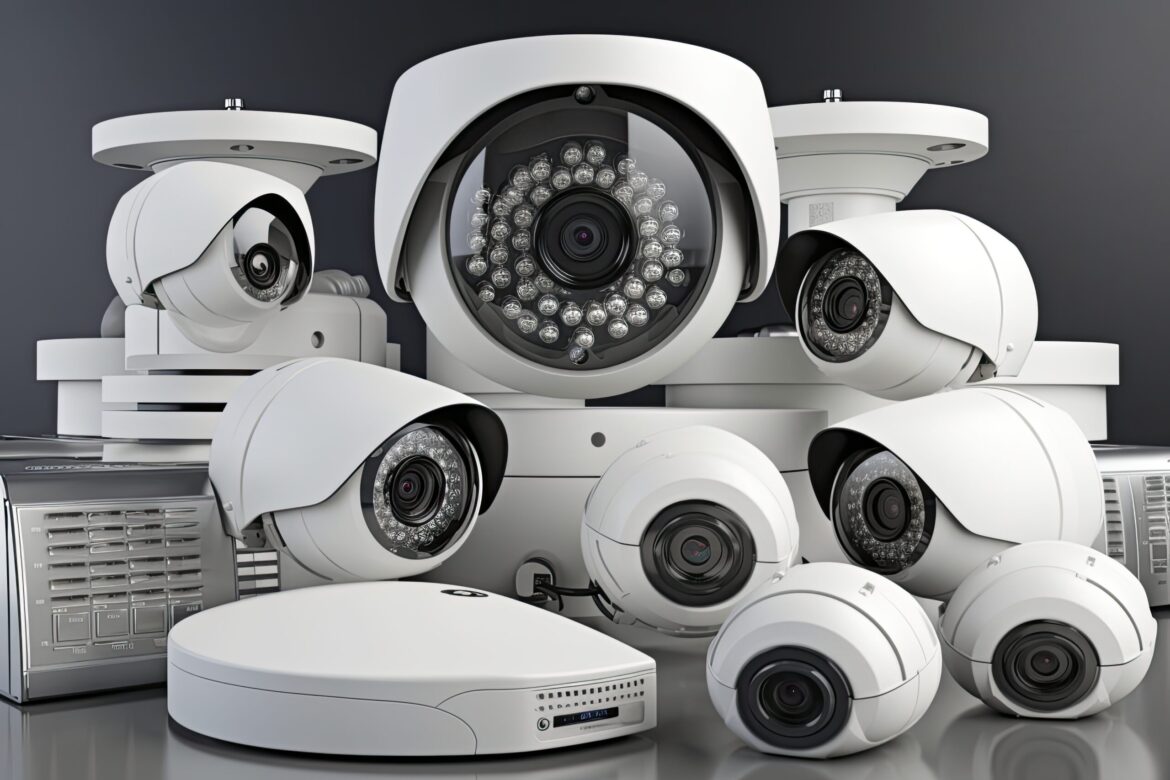
Modern security choices often feel personal rather than technical. Both systems continue to meet today’s needs in different ways. A battery spy camera usually fits spaces that change often, while wired cameras suit locations that stay fixed and predictable. Daily routines influence the decision more than features. Flexible schedules and shared rooms lean toward battery options. Long hours and constant oversight often favor wired setups. Privacy comfort and monitoring habits quietly shape what feels right. Smarter choices also come from awareness. A spy camera detector adds an extra layer of confidence during selection and use. Through thoughtful evaluation, security stays balanced, respectful, and aligned with real life.
Battery Vs Wired Spy Cams: Choose the Right Option
Security choices rarely begin with specifications. Attention usually goes to how a space feels during everyday moments. Living areas and workspaces hold routines, pauses, and unspoken expectations. Because of that, camera selection often follows emotion before logic.
Early setup moments influence confidence. A battery spy camera tends to feel lighter and less intrusive. Movement stays possible. Adjustments feel simple. Wired cameras, on the other hand, offer reassurance through consistency and steady performance.
Guidance often helps refine that initial instinct. Conversations at a reliable spy camera shop usually focus on habits rather than hardware. Room usage, comfort with monitoring, and privacy concerns shape clearer expectations.
Through that process, security stops feeling mechanical. The right choice supports daily life instead of interrupting it. When comfort aligns with function, protection feels natural and lasting.
Camera performance depends heavily on power sources
Power quietly influences how security performs each day. Reliability often traces back to energy flow. A wired system feels steady because power remains constant. A battery spy camera introduces flexibility, yet attention to charging becomes part of routine awareness.
Placement options also depend on power choices. Wired cameras stay near outlets and fixed points. Battery-based options allow discreet positioning. Corners, shelves, and temporary spaces become usable without disruption. That freedom often feels reassuring in shared environments.
Peace of mind grows through awareness. A spy camera detector supports transparency and ethical use. Over time, thoughtful power decisions shape comfort and confidence. Security feels supportive when energy choices align with daily habits and expectations.
Constant power creates a lasting sense of reliability
Continuous operation creates quiet reassurance over time. Wired cameras remain powered without interruption throughout the day. Long recording sessions stay supported without attention. Important moments rarely slip through unnoticed. In professional settings, that consistency often feels grounding and dependable. A spy camera detector also supports confidence by ensuring only intended devices remain active.
Stable power supports consistent video performance. Clear footage stays available during daytime and night hours. Higher frame rates remain steady. Sudden drops in quality feel unlikely. For offices with fixed layouts, this approach feels settled and predictable rather than restrictive.
Maintenance demands remain low. Battery changes never interrupt coverage. Daily routines continue without reminders or checks. Over time, trust forms naturally. Security becomes part of the background instead of a recurring concern.
Flexibility brings a sense of ease to modern spaces
Modern living stays defined by constant movement and shifting priorities. Rooms often change purpose throughout the year. Furniture gets rearranged to match new routines. A wireless spy camera with long battery life stays suited to these changes without disruption. Flexibility becomes part of everyday comfort rather than a special feature.
Discreet placement feels easier in evolving spaces. Shelves, corners, and temporary setups remain usable. Monitoring needs get addressed without drilling or visible wiring. Rental environments especially benefit from this freedom. Power outlets stop shaping where security can exist.
Short-term needs feel well supported through mobility. A battery powered spy camera fits events, shared workspaces, and travel situations naturally. Control feels closer and more personal. Security adapts quietly, without demanding permanence or structural commitment.
Installation directly affects long-term comfort
Installation often carries quiet emotional weight. Wired systems usually require advance planning. Drilling, cable routing, and fixed placement create a sense of permanence. That permanence suits stable spaces, yet it can feel intimidating during early setup. Once installed, changes rarely feel simple or quick.
Battery-based options feel noticeably gentler. Setup usually takes minutes rather than hours. Walls remain untouched. Furniture stays in place. A battery-operated spy camera with audio can be positioned discreetly, adjusted easily, and removed without leaving marks. That simplicity reduces hesitation and second-guessing.
Confidence grows when installation feels effortless. Technology blends more naturally into daily life when disruption stays minimal. With fewer barriers at the start, security feels supportive rather than intrusive. Comfort encourages consistent use and long-term trust.
Video quality shapes real-world performance
Clear footage builds trust over time. Wired systems usually support higher resolutions without strain. Continuous power allows stable streaming during long hours. Visual details stay sharp during both daylight and low-light conditions. For spaces requiring constant clarity, this consistency often feels reassuring rather than excessive.
Battery models balance quality with efficiency. Power gets preserved through smart sleep modes. Motion detection becomes essential for capturing relevant moments. A battery spy camera focuses resources where activity occurs. That balance helps maintain acceptable video quality without frequent charging concerns.
Sound clarity also shapes awareness. A battery-operated spy camera with audio adds depth to visuals. Conversations, footsteps, and ambient sounds provide context. Through careful selection, performance remains satisfying across both wired and battery-powered options.
Spending reflects long-term priorities
Initial expenses often shape first impressions. Wired systems usually involve higher installation costs. Cabling, setup time, and fixed placement add to the upfront investment. That structure suits long-term spaces well. Confidence often comes from knowing coverage stays uninterrupted. A spy camera shop usually explains these early cost differences clearly.
Ongoing expenses tell a different story. Battery-based systems cost less at the start. However, maintenance slowly adds up. Battery replacements become part of ownership. A battery powered spy camera requires periodic attention to remain reliable. Over months and years, those small costs feel noticeable.
Value reveals itself through usage patterns. Short-term monitoring aligns better with battery options. Permanent setups often justify wired investment. When costs match real needs, satisfaction tends to follow naturally.
Security feels personal when comfort and trust align
Security often connects to emotion more than technology. Homes and offices carry routines, private moments, and shared trust. Because of that, protection should feel considerate rather than intrusive. Cameras work best when they quietly support safety without changing how a space feels or functions.
Transparency plays a key role in that balance. A spy camera detector helps identify hidden or unauthorized devices. Awareness builds confidence. Boundaries stay clear. When monitoring remains visible and intentional, trust feels protected instead of questioned.
Placement choices also shape comfort. Thoughtful positioning avoids sensitive areas. Coverage stays purposeful. Monitoring feels supportive rather than watchful. Through respect for privacy and routine, security becomes reassuring. Spaces remain protected while still feeling personal and safe.
Conclusion
Security decisions often grow from daily habits rather than trends. Spaces used for long hours usually feel safer with wired systems. Constant power supports steady monitoring without interruptions. Over time, that reliability builds quiet confidence. During selection, a spy camera detector often helps confirm safety and transparency.
Other environments change more frequently. Furniture moves. Room purposes shift. A battery spy camera suits those moments well. A battery powered spy camera adapts easily without altering walls or layouts. That flexibility feels respectful and less intrusive in shared or temporary spaces.
Thoughtful selection keeps security supportive instead of overwhelming. Careful placement protects privacy while maintaining awareness. A visit to a trusted spy camera shop often clarifies expectations. When protection blends naturally into routine, modern spaces remain secure without discomfort or tension.
FAQs
1) What suits flexible spaces best?
Battery-based systems suit changing layouts. Easy movement supports evolving needs. A battery spy camera adapts without disruption.
2) Why do wired cameras feel reliable?
Constant power supports uninterrupted recording. Long-term monitoring stays consistent. Missed moments remain unlikely.
3) How does audio improve awareness?
Sound adds context to visuals. A battery-operated spy camera with audio captures the tone and environment naturally.
4) Where does a spy camera detector help?
Hidden devices become easier to locate. Transparency improves safety. Personal privacy stays protected.
5) Why visit a spy camera shop?
Guidance feels tailored. Options get explained clearly. Needs feel understood, not sold.
Photo used courtesy of vecteezy