Most people do not need a full security plan. They need a fast, honest check of the habits and weak spots that shape daily life. If you have been wondering how to perform a basic personal security audit, the good news is that you can do a useful review in less than an hour. A smart audit looks at your routines, your home, your devices, and your decision-making. It should also cover online security, because digital exposure often opens the door to real-world risk.
Why a one-hour check matters
Security problems often start with ordinary behavior. A reused password, a dark entryway, or a public post about your weekend plans can create more risk than people expect. Most threats do not begin with a dramatic event. They begin with a small opening that no one noticed.
A short audit helps you spot what has become normal. That matters because familiar habits often escape review. You stop seeing the spare key under the planter, and stop noticing that your child’s school route is visible in family posts. You forgot that your old laptop still stores banking details. A one-hour review forces you to look again with fresh eyes.
This process also reduces stress. It gives you a way to act instead of worry. You do not need to fix every issue in one day. You need to identify the top risks and start with the easiest wins.

Review your routine and visible patterns
Start with movement and timing. Ask yourself what parts of your day are easy to predict. Do you leave at the same time every morning? Do you post your location in real time? A stranger does not need much information to build a picture of your life.
Your first goal is to spot patterns that make you easy to track. Think about where you park, what entrances you use, and how often you tell others where you are going. That is also a good time to review how to stay safe while moving through parking lots, ride shares, office buildings, and public transport.
Look at what your social media reveals. A photo can show your car plate, your front door, your child’s school uniform, or your work badge. Even casual posts can confirm when you are away from home. The safer habit is simple: share later, not live, and strip out details that give away your routine.
Audit your phone, laptop, and accounts in 15 minutes
Your devices hold the map to your life. They store contacts, payment methods, private messages, saved logins, and travel details. A phone check is a core part of how to perform a basic personal security audit because one weak account can affect everything else.
Begin with your email account. If someone gets into your email, they can reset other passwords. Then check your password manager, banking apps, cloud storage, and social platforms. Make sure your screen lock is active, software is updated, and two-factor authentication is turned on where it matters most.
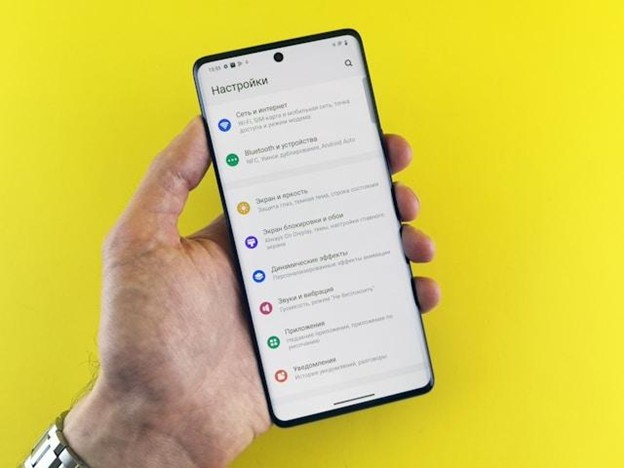
App permissions deserve a close look. Many apps ask for location, camera, microphone, contacts, and photo access without a clear need. Remove any permission that feels excessive. Delete apps you no longer use. Log out of old sessions on shared or lost devices. Also, review saved payment cards and shipping addresses in shopping apps.
This digital check should not feel technical. It is a simple question: if your device disappeared today, how much damage could happen in an hour? Your answer will show what needs attention first.
Walk through your home as a stranger would
Now shift to physical space. Stand outside your home and look at it the way a stranger would. What can be seen through the windows? Are packages left in plain sight? Is the front door well-lit? Could someone hide near an entry point without being noticed?
Then move inside and check your basic layers of protection. Test locks, window latches, alarm settings, and camera angles if you use them. Look at side doors, garage access, and back gates. Many homes have one strong entrance and two weak ones. That imbalance creates avoidable exposure.
Think about what information is visible. Mail, labels, family schedules, and keys near the door can all reveal more than they should. The same goes for spare keys outside. Hiding one in an obvious place does not add safety. It only creates false confidence.

Rank the risks before you fix them
A good audit becomes useful only when you sort the results. That is the point where how to perform a basic personal security audit turns from a vague idea into a clear plan. You do not need a formal report. You need three labels: high, medium, and low.
High-risk items are easy to exploit and costly if they go wrong. That might mean no two-factor authentication on email, poor door security, or public posts that show your location in real time. Medium-risk items matter, but they are less urgent. Low-risk items can wait.
This simple method works because it borrows the logic behind demystifying security risk assessments without making the process heavy or confusing. You are judging two things only: how likely a problem is, and how serious the impact would be.
Once you rank each issue, the next step feels easier. You no longer face one giant problem called “security.” You face a short list of actions in the right order.
Make quick fixes now
Do the easiest improvements while the audit is still fresh. That creates momentum and cuts risk on the same day. A short action list may include:
- Change the password on your main email account
- Turn on two-factor authentication for key services
- Remove live location sharing from social apps
- Move spare keys to a safer option
- Test outdoor lights and replace dead bulbs
- Update emergency contacts on your phone
- Review privacy settings on family accounts
These steps are small, but they work because they remove common openings. Quick action also helps you avoid the trap of “I’ll deal with it later,” which often means never.
Build a simple family plan
Personal security works better when the people around you follow the same basics. One careful person cannot offset weak habits across a household. That is why the next step is to protect yourself and your family through shared rules that are easy to remember.
Keep the plan simple. Choose a meeting point for emergencies. Decide how family members confirm safe arrival—review who is allowed to pick up children. Make sure older relatives know how to spot scam calls and fake messages. If you employ cleaners, dog walkers, or contractors, review how access is managed and when codes or keys should change.
That does not need to feel strict. It should feel clear. People follow plans that are practical, short, and easy to repeat.

Now you know how to perform a basic personal security audit
Security changes as life changes. A move, a new job, a new school, a breakup, a new app, or a new device can all create fresh exposure. That is why the best audit is not a one-time event. It is a routine check that keeps pace with your life. Once you know how to perform a basic personal security audit, you can repeat it in less time each round. The first review shows where you are exposed. The next reviews help you stay in control. You do not need to fear becoming more secure. You need awareness, a few strong habits, and the willingness to fix what you find.