The live entertainment industry is experiencing unprecedented growth. Stadium tours and massive music festivals are drawing record-breaking crowds, transforming entertainment venues into temporary, high-density cities. While this boom is a triumph for artists and fans alike, it introduces a highly complex set of physical security challenges.
Today, ensuring the safety of thousands of attendees requires a sophisticated, multi-layered strategy. Event security has evolved far beyond basic ticket checking and standard perimeter fencing; it now demands proactive risk management, technological integration, and a deep understanding of crowd dynamics.
1. The Foundation: Pre-Event Vulnerability Assessments
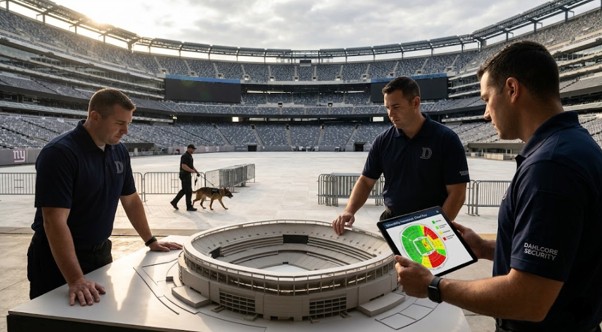
Effective event safety begins weeks before the gates open to the public. Security operations rely heavily on comprehensive planning to map out potential vulnerabilities and structurally fortify a venue.
- Venue Topography Analysis: Security experts evaluate the physical layout, identifying blind spots, structural hazards, and lines of sight.
- Bottleneck Identification: Planners pinpoint areas where foot traffic naturally slows down—such as narrow corridors or vendor Plazas—which can lead to dangerous crowd compression if unmanaged.
- Ingress and Egress Optimization: Structuring entry and exit points to ensure a steady, manageable flow of people, which is vital for both orderly arrival and rapid emergency evacuations.
2. Dynamic Crowd Control and Surge Mitigation
High-density environments carry inherent physical risks, most notably crowd surges and stampedes. To counteract these dynamic threats, modern security protocols rely on strategic architectural design and real-time monitoring.
- Zoned Audience Sections: Dividing massive general admission floors into smaller, self-contained zones prevents large-scale lateral surges and limits overall crowd movement.
- Strategic Barricade Placement: Utilizing load-bearing, pressure-relieving barriers (such as T-barricades) creates crucial buffer zones, particularly near the main stage where crowd pressure is highest.
- Elevated Crowd-Spotting: Deploying trained spotters to elevated vantage points allows teams to monitor crowd density in real time. By identifying early signs of distress, agitation, or excessive compression, a vigilant event security guard can coordinate with rapid-response personnel to intervene before a situation escalates into an emergency.
3. High-Tech Access Control and Perimeter Defense
The perimeter of a venue acts as the primary shield against external threats. Modern checkpoints must strike a delicate balance: maintaining strict screening protocols without creating massive, slow-moving lines outside the gates, which create soft targets.
- Integrated Screening Checkpoints: Modern entryways utilize a seamless combination of high-throughput walk-through metal detectors, strict bag screening protocols, and rapid-response personnel stationed nearby to handle friction.
- Perimeter Sweeps: Specialized K9 units trained in explosive detection are routinely deployed to sweep the venue before the event and maintain a visible, deterrent presence along the outer boundaries during the show.
4. Behind the Scenes: VIP and Stage Security
While general admission areas require massive logistical coordination, protecting performers, crew, and backstage infrastructure demands precision execution. This environment requires a highly controlled, low-profile tactical approach.
Key Backstage Protocols:
- Strict Credential Verification: Implementing multi-tiered, color-coded, or biometric access passes to ensure only authorized personnel enter restricted production zones.
- Plainclothes Close-Protection: Utilizing covert security officers who blend seamlessly into the backstage environment, maintaining a low profile while remaining ready to respond instantly to a threat.
Conclusion: The Invisible Shield
Ultimately, the goal of modern live event security is to act as an invisible shield. When protocols are executed correctly, attendees and performers rarely notice the intense coordination happening around them, allowing the primary focus to remain entirely on the entertainment. By shifting from reactive policing to proactive risk mitigation, the industry can drastically reduce liabilities and ensure that live music remains a safe, enjoyable experience.
For venue operators and event promoters looking to implement these rigorous safety standards, partnering with an experienced provider of professional physical security solutions is the definitive step toward safeguarding their next major production.